


Jan 5, 2026
Outage Ready: Emergency Essentials to Stay Safe and Prepared
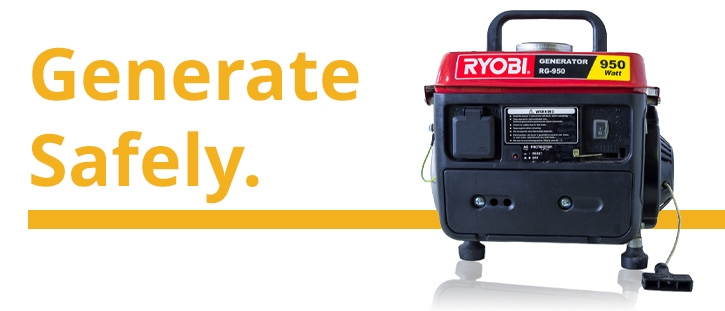
When the lights go out, being prepared makes all the difference. Follow these simple tips to stay safe, warm and ready during any power outage.
Short-Term Power Failures:
- Check to see if your neighbors still have electricity.
- If your neighbors have electricity, the problem could be inside your home. Check your main fuses or circuit breakers to see if they have blown or tripped.
- If your neighbors also do not have power, call Petit Jean Electric at (501) 745-2493 to report the outage.
- Unplug major electronics such as televisions and computers. This will help eliminate damage from voltage surges when the electricity is restored.
- Wait a few minutes before turning on these items once power is restored. This will reduce demand on the electric cooperative’s power grid.
- If you use a standby generator, be sure it has been installed and wired properly. If improperly installed, a generator could cause dangerous conditions for utility employees working to restore power.
- Keep refrigerator and freezer doors closed. An unopened refrigerator can keep food cold for about four hours; a full freezer will maintain temperature for about 48 hours.
- Use flashlights instead of candles. Candles can pose a fire hazard, especially during stressful situations.
- Avoid opening exterior doors frequently. This helps maintain your home’s indoor temperature.
- Stay updated through your local electric cooperative’s outage map or text alerts if available.
- Check on elderly or vulnerable neighbors. They may need assistance with medical devices, mobility or communication.
Winter Power Outages:
- Dress warmly. Several layers of clothing provide better insulation than a single layer of heavier clothing.
- Move to a single room, preferably one with few windows. Ideally, this room should be on the south side of the home for maximum heat gain in the daytime. The room should also be shut off from the rest of the house.
- If you use an alternate heat source, be sure and follow operating instructions.
- A small stream of water can be left on to prevent water pipes from freezing.
- Use towels or blankets to block drafts around windows and doors to retain heat.
- Eat and drink regularly. Food provides energy your body uses to stay warm; warm (nonalcoholic) drinks can also help.
- Avoid overexertion. Activities like shoveling snow can put extra strain on your heart in cold conditions.
- Never use outdoor heating devices indoors. Grills, camp stoves or propane heaters can produce deadly carbon monoxide.
- If the home becomes too cold, consider relocating to a friend’s house, warming center or shelter, if travel conditions are safe.
Prepare An Emergency Kit With:
- Flashlights with fresh batteries.
- First aid kit, prescription medicines and baby supplies.
- Nonperishable food and a manual can opener.
- Pet food and supplies.
- A fully charged cellphone and battery pack.
- Bottled drinking water.
- Battery-powered emergency lights and radio.
- Backup power sources for necessary medical equipment.
For more tips, visit safeelectricity.org.
